


Month: October 2026

Register your trademark in China before someone else does
Many foreign companies discover that their trademark is registered in China when it is too late: a distributor, a manufacturer or a stranger filed it first and can now block their shipments or demand payment. In China a trademark belongs to whoever registers it first, not to whoever uses it first.
Why it happens
A registration at home does not protect you in China: each country registers separately. Selling, manufacturing or simply offering products in China without registering your mark leaves the door open. Bad-faith filings are common precisely when a brand starts to grow in the Chinese market.
What to register
- The mark in Latin letters, in the classes of goods and services you use or will use.
- A Chinese-character version. The market will give you a Chinese name if you do not, and someone else can register that name too.
- The right subclasses. The Chinese system divides classes into subclasses; filing in a class without covering the relevant subclasses leaves gaps.
How the process works
The application is filed with the China National Intellectual Property Administration (CNIPA), can be done from abroad without travelling, and the registration lasts 10 years, renewable. Licences and assignments must be recorded with CNIPA to be valid against third parties, and it is worth recording the mark with Customs so that counterfeits are stopped at the border.
If someone has already registered it
There are options: opposition while the application is pending, invalidation if there was bad faith, and cancellation if the mark has not been used for three years. The 2019 law strengthened sanctions against bad-faith filings, and in malicious infringements courts can award damages of up to five times the harm. The sooner you act, the cheaper and faster it is.
In short
Register in China before you sell, manufacture or show your product there, include a Chinese name and monitor the register. At UB China we handle the clearance search, the application and the defence of your mark.
Book a consultationjubilla@ub-co.com
See also: China trademark registration

How to verify that a Chinese supplier is real
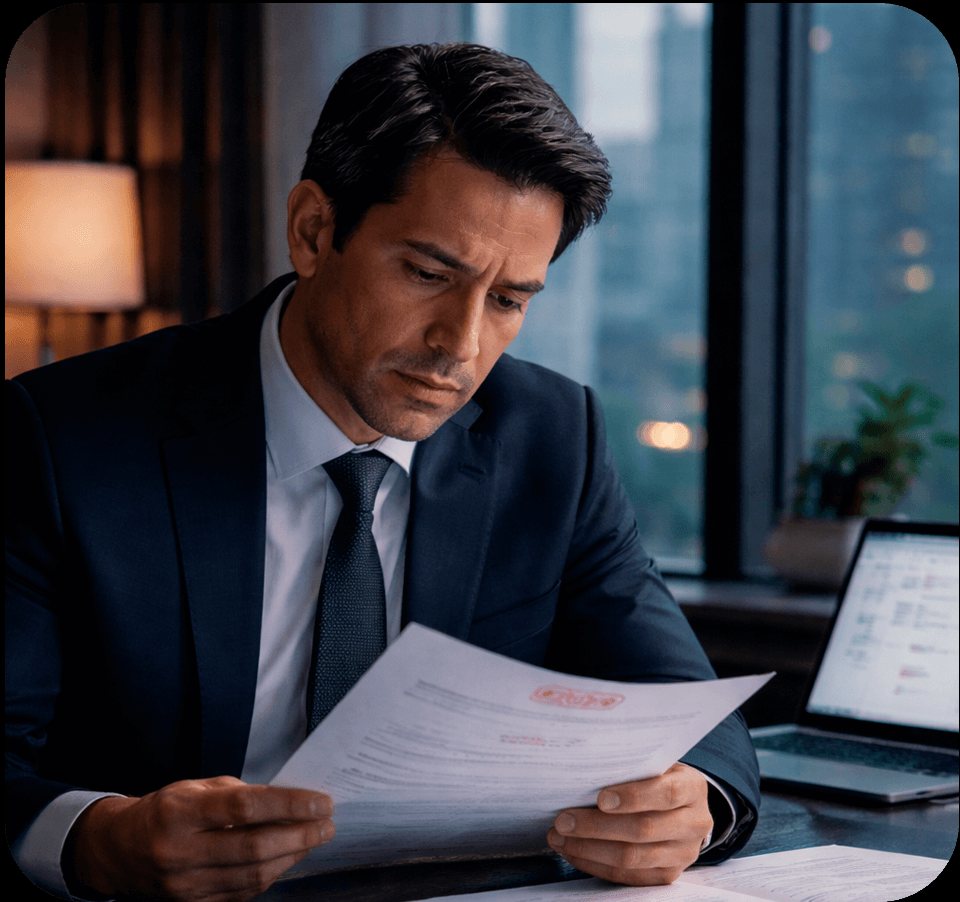
A professional website, a factory video and an attractive price do not prove that a Chinese company exists or can deliver. Before paying an advance, run seven checks. The first ones can be done from abroad; the last ones need someone in China.
1. The business licence and social credit code
Every Chinese company has a business licence with an 18-character unified social credit code. Ask for it and check in the National Enterprise Credit Information Publicity System that the Chinese name, code, address and legal representative match. The English name has no legal value: what counts is the Chinese name.
2. The authorised business scope
The licence states what the company may do. If it says "trading" rather than "manufacturing", you are dealing with an intermediary, not a factory. That is not illegal, but it changes the price, quality control and who you can claim against.
3. Capital, shareholders and age
A newly formed company, with minimal capital or frequent changes of shareholders and legal representative, deserves extra care. Since 2024 capital must be paid up within five years, so subscribed versus paid-in capital tells you a lot.
4. Litigation and defaulters
Chinese courts publish judgments and a list of debtors who fail to comply with court rulings. A company with many breach-of-contract cases, or on that list, is a clear red flag.
5. The bank account
Payment should go to an account in the name of the same company that signs the contract. If you are asked to pay an individual, another company or a Hong Kong account "for tax reasons", stop.
6. Licences, certificates and trademarks
Check that product certificates and export licences belong to that company and are valid, and that the brand you are offered is not registered by a third party.
7. The factory and the seal
A visit, or a third-party inspection in China, confirms that the factory exists and makes what it claims. When signing, the company's official seal is what binds it: check that it is the registered one.
When to get help
If the amount matters, the supplier is new or something does not add up, a legal check costs far less than losing an advance. At UB China we do it through China Legal Check, with lawyers in Shanghai who review the official records in Chinese.
Book a consultationjubilla@ub-co.com
See also: China due diligence